Digital Entertainment Trends: What’s Reshaping How We Consume Content in 2025
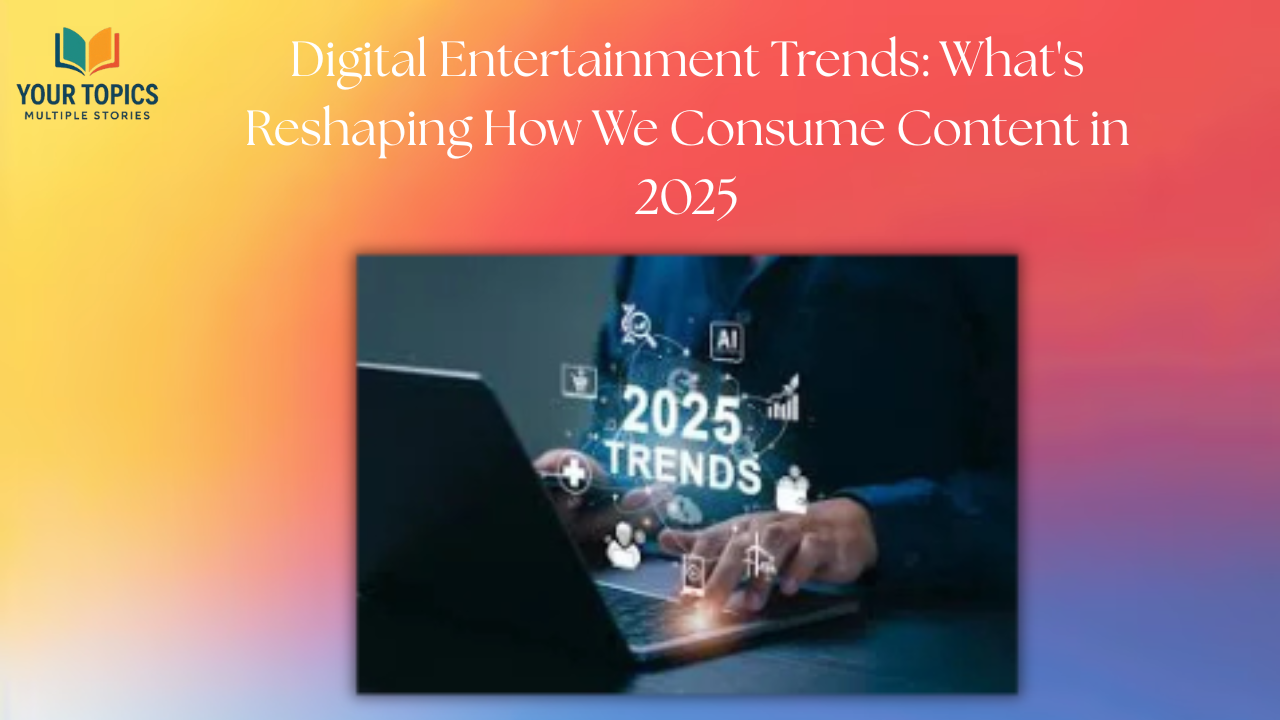
Digital entertainment trends are fundamentally changing how billions of people worldwide spend their leisure time, with new platforms, technologies, and consumption habits emerging faster than most of us can keep up.
Remember when choosing what to watch meant flipping through a handful of TV channels? Or when music meant physical CDs stacked on your shelf? Those days feel like ancient history now. We’re living through the most dramatic shift in entertainment consumption since the invention of television itself.
If you’re feeling overwhelmed by the constant barrage of new streaming services, social platforms, and content formats, you’re not alone. The entertainment landscape has become so fragmented that even industry insiders struggle to predict where things are heading next.
Why Understanding Streaming Trends Matters Right Now
The streaming wars have entered a new phase. After years of explosive growth, platforms are consolidating, prices are climbing, and viewers are becoming more selective about where they spend their money.
Netflix lost subscribers for the first time in a decade. Disney+ implemented password-sharing restrictions. HBO Max merged with Discovery+. These aren’t random events—they represent a fundamental shift in how the online entertainment industry operates.
What this means for you:
- Your subscription costs are likely increasing across multiple platforms
- Content libraries are becoming more exclusive and fragmented
- Ad-supported tiers are becoming the new normal
- Binge-watching is giving way to weekly release schedules
The average household now subscribes to four different streaming services, spending over $70 monthly on digital content alone. That’s more than traditional cable cost just five years ago. We’ve essentially recreated the bundle we tried to escape, just in digital form.
The Rise of Social Media Entertainment Platforms
TikTok didn’t just create a new social network—it fundamentally changed how entertainment works. The platform’s algorithm-driven content discovery transformed passive viewers into active participants, and now every major tech company is racing to copy that formula.
YouTube Shorts, Instagram Reels, and even LinkedIn are prioritizing short-form video content. Traditional entertainment companies are panicking because these platforms have captured the attention of Gen Z and increasingly Millennial audiences.
How Short-Form Content Changed Everything
The numbers tell a striking story. TikTok users spend an average of 95 minutes per day on the platform. That’s time previously spent watching traditional TV, movies, or even longer YouTube videos. The shift represents billions of dollars in advertising revenue moving from traditional media to social platforms.
Key characteristics of this new entertainment model:
- Videos typically run 15-60 seconds
- Content is algorithmically personalized rather than subscription-based
- Creators can build massive audiences without traditional gatekeepers
- Engagement rates far exceed traditional media formats
But here’s what most analyses miss: this isn’t just about shorter attention spans. It’s about efficiency. Users can sample dozens of different entertainment experiences in the time it takes to watch one traditional TV episode, and the algorithm learns their preferences with unprecedented accuracy.
Interactive and Immersive Experiences Are Taking Over
Virtual reality, augmented reality, and interactive storytelling are no longer science fiction concepts reserved for tech demos.
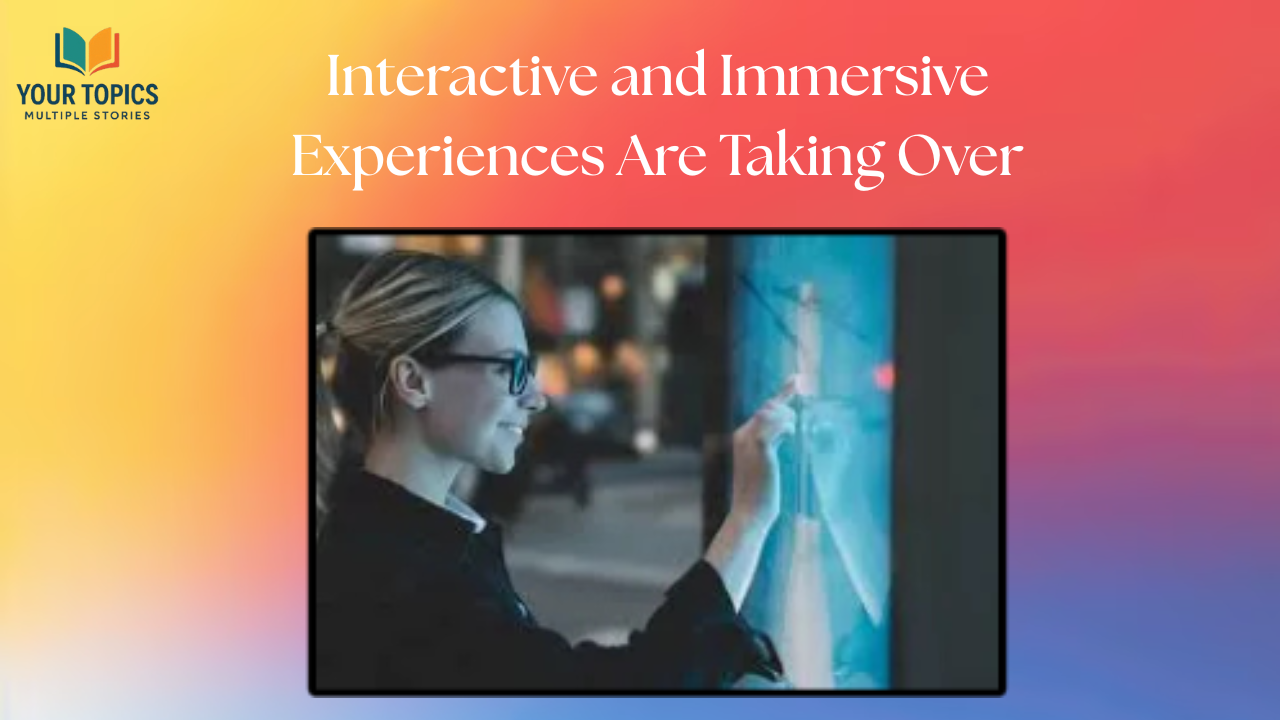
They’re becoming mainstream entertainment options that blur the line between passive consumption and active participation.
Netflix’s interactive films like “Black Mirror: Bandersnatch” demonstrated viewer appetite for choice-driven narratives. Gaming platforms like Roblox and Fortnite have evolved into social entertainment spaces where concerts, movie premieres, and brand experiences happen alongside traditional gameplay.
The Gaming-Entertainment Convergence
The lines between gaming and traditional entertainment have completely dissolved. When 12.3 million people attended Travis Scott’s virtual concert in Fortnite, it proved that digital spaces could host entertainment experiences impossible in the physical world.
This convergence represents the future of entertainment because it solves a fundamental problem: isolation. Traditional streaming is solitary, but these hybrid experiences combine entertainment with social connection, creating something more valuable than either element alone.
Digital Content Trends Reshaping Creator Economics
The creator economy has exploded from a niche concept to a $100+ billion industry. Individual creators now compete directly with traditional media companies, and in many cases, they’re winning.
Patreon, Substack, and OnlyFans (among other platforms) enable creators to monetize directly through fan subscriptions rather than relying on advertising or platform payouts. This shift gives creators independence but also requires them to develop business skills previously handled by studios and networks.
The new creator landscape includes:
- Micro-influencers with highly engaged niche audiences
- Multi-platform strategies that diversify income and reach
- Direct-to-consumer subscription models that bypass traditional gatekeepers
- Community-building as essential business infrastructure
MrBeast, the YouTube megastar, now produces content with budgets rivaling traditional TV shows. His success isn’t unique—it demonstrates how digital-native creators have learned to build businesses that traditional media companies struggle to replicate.
Comparing Traditional vs. Digital Entertainment Models
| Aspect | Traditional Media | Digital Entertainment |
| Distribution | Scheduled broadcasts, theatrical releases | On-demand, algorithm-driven |
| Monetization | Advertising blocks, box office, cable fees | Subscriptions, microtransactions, integrated ads |
| Content Creation | Studio-driven, high barriers to entry | Creator-driven, democratized access |
| Audience Relationship | One-way broadcast | Interactive, community-based |
| Success Metrics | Nielsen ratings, box office numbers | Engagement time, retention, virality |
This comparison reveals why traditional media companies have struggled to adapt. Their entire infrastructure was built for scarcity (limited broadcast hours, theater screens), while digital entertainment operates in an environment of abundance where attention is the scarce resource.
The Future of Entertainment: What’s Coming Next
Predicting the future of entertainment requires looking beyond flashy technology announcements to understand underlying behavioral shifts. Several trends are converging that will define the next era of digital entertainment.
Personalization Reaches New Extremes
We’re moving toward entertainment experiences uniquely tailored to individual preferences. Spotify already generates custom playlists. Netflix tests different thumbnail images for different users. The next step involves content itself adapting in real-time based on viewer reactions and preferences.
Imagine watching a thriller where the pacing adjusts based on your heart rate, or a comedy special that emphasizes the humor styles you laugh at most. The technology to enable this exists—the question is whether audiences want this level of personalization.
The Metaverse (Despite the Hype)
Yes, Meta’s metaverse dreams have disappointed investors. But the underlying concept—persistent digital spaces where people socialize and consume entertainment—is sound. Minecraft and Roblox have already proven that millions of people, especially younger users, want to spend time in these environments.
The mistake was assuming people wanted realistic avatars in corporate virtual offices. What they actually want are creative spaces where they can express themselves, connect with friends, and have experiences impossible in physical reality.
Real-World Examples: Digital Entertainment Success Stories
Twitch transformed gaming into spectator sport: What started as a niche platform for gamers to stream their gameplay has become a major entertainment destination generating billions in revenue. Viewers don’t just watch—they participate through chat, subscriptions, and donations, creating a new form of interactive entertainment.
Webtoons revolutionized comics: Korean webtoons adapted comic storytelling for smartphone screens with vertical scrolling formats. This seemingly small innovation created a multi-billion dollar industry and changed how millions of people worldwide consume visual narratives.
Discord evolved from gaming chat to community hub: Originally designed for gamers to coordinate, Discord has become the infrastructure for online communities across every interest area. It represents how digital entertainment increasingly happens within community spaces rather than on individual consumption platforms.
Frequently Asked Questions About Digital Entertainment
What are the biggest digital entertainment trends in 2025?
Short-form video content, interactive storytelling, creator-driven platforms, and hybrid gaming-entertainment experiences dominate the landscape. The streaming industry is consolidating while social media platforms are becoming primary entertainment destinations for younger audiences.
Why are streaming services getting more expensive?
Platforms overextended during their growth phase, spending billions on content to attract subscribers. Now they need to achieve profitability, which means price increases, ad-supported tiers, and password-sharing crackdowns. The unlimited growth era has ended.
How is social media changing entertainment consumption?
Social platforms have shifted entertainment from a lean-back experience to lean-forward participation. Content is shorter, more personalized, and integrated with social features. The algorithm curates experiences rather than users actively choosing what to watch.
What entertainment trends are Gen Z driving?
Gen Z prefers short-form content, values authenticity over production polish, engages with creators rather than traditional celebrities, and expects entertainment to be social and interactive rather than passive. They’re also more likely to discover content through social media than traditional marketing.
Will traditional TV and movies disappear?
Not entirely, but they’re becoming one option among many rather than the dominant form. Theatrical releases, appointment TV, and premium long-form content still have audiences, but they’re competing with far more alternatives than existed a decade ago.
Taking Action: Navigating the Digital Entertainment Landscape
The digital entertainment revolution creates both opportunities and challenges.
For consumers, it means more choices but also more complexity in managing subscriptions and finding quality content.
The smart approach involves periodically evaluating which services you actually use versus those you’re paying for out of habit. Most households can eliminate at least one subscription without meaningfully impacting their entertainment options.
For creators and businesses, digital entertainment trends represent unprecedented opportunities to reach audiences without traditional gatekeepers. The tools to produce, distribute, and monetize content are more accessible than ever—but competition is fierce.
The entertainment world isn’t just changing—it’s already changed. We’re living through a transition period where old and new models coexist awkwardly. Understanding these digital content trends isn’t just interesting—it’s essential for making informed decisions about how we spend our time, money, and attention in an increasingly digital world.
The future of entertainment is being written right now, not in Hollywood boardrooms but in the collective decisions of millions of creators and consumers worldwide. That’s simultaneously exciting and overwhelming, which perfectly captures the current moment in digital entertainment.