
How Does a Polygraph Test Work? Everything You Need to Know
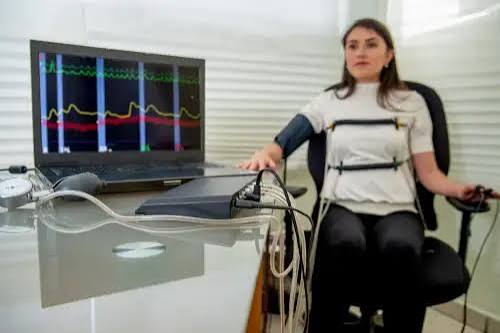
A polygraph test, commonly known as a lie detector test, has fascinated people for decades. From criminal investigations to government security screenings, this technology is often portrayed as a scientific way to determine whether someone is telling the truth. But how does a polygraph test actually work, and how reliable is it?
Despite its reputation, a polygraph does not directly detect lies. Instead, it records physiological changes in the body while a person answers carefully structured questions. Examiners then analyze these responses to determine whether deception may be present. Understanding how the process works can help separate facts from myths.
What Is a Polygraph Test?
A polygraph test is an examination designed to measure several involuntary physical responses while a person answers questions. The word “polygraph” literally means “many writings,” referring to the multiple physiological signals recorded at the same time. These signals commonly include breathing, heart activity, blood pressure, and skin conductivity.
The main theory behind polygraph testing is that lying can trigger stress-related bodily changes. When a person feels anxiety, fear, guilt, or psychological pressure while answering a question, their body may react in ways that can be measured. However, this is also why polygraph testing remains controversial—stress does not always mean deception.
Today, polygraph tests are used in law enforcement, private investigations, intelligence agencies, and certain security-sensitive jobs. In some cases, they are also used to verify statements in personal or legal disputes.
The Science Behind a Polygraph Test
The central idea behind a polygraph test is based on psychophysiology, which studies the connection between mental states and bodily reactions. When a person experiences emotional stress, the autonomic nervous system activates. This system controls automatic body functions such as sweating, breathing, and heart rate.
If someone lies, supporters of polygraph testing believe the emotional stress of deception may cause measurable physiological changes. These changes are recorded by the polygraph machine and reviewed by a trained examiner. However, the machine itself cannot determine truth or lies—it only collects data. Human interpretation remains a major part of the process.
This distinction is important because many truthful people may feel nervous during testing, while some deceptive individuals may remain calm. As a result, polygraph results should be viewed as investigative tools rather than absolute proof.
What Does a Polygraph Machine Measure?
A standard polygraph test records several physiological indicators simultaneously.
Breathing Patterns
Two sensor tubes are typically placed around the chest and abdomen to monitor breathing rhythm and depth. Sudden changes in respiration may indicate stress or discomfort.
Heart Rate and Pulse
The machine tracks cardiovascular activity, including heart rate and pulse fluctuations. Increased heart activity may occur when a person feels pressure during questioning.
Blood Pressure
A blood pressure cuff measures changes in blood pressure during the examination. Sharp rises may suggest emotional arousal.
Skin Conductivity
Electrodes attached to the fingers or palm measure sweat gland activity, often called galvanic skin response. Even small increases in perspiration can affect electrical conductivity on the skin.
Together, these measurements create a detailed physiological record during questioning.
How Does a Polygraph Test Work Step by Step?
A professional polygraph test usually follows three major phases.
1. Pre-Test Interview
The process begins with a detailed interview between the examiner and the person being tested. This stage is often lengthy because it helps establish comfort and understanding.
During this phase, the examiner explains the testing procedure, reviews all questions in advance, and gathers background information relevant to the case. The goal is to ensure there are no surprises once the actual test begins.
This stage is crucial because unclear or misunderstood questions can affect results significantly.
2. The Testing Phase
After sensors are attached, the examiner begins asking a structured set of questions. The questions are usually repeated multiple times in varying sequences to compare physiological responses.
The person must answer with simple responses such as “yes” or “no.” This keeps answers consistent and easier to analyze.
As each question is asked, the machine records physiological reactions in real time.
3. Data Analysis
After the questioning ends, the examiner reviews the recorded charts and compares responses across different question types.
The examiner looks for unusual physiological spikes linked to specific questions. Based on this analysis, results may indicate truthfulness, deception, or an inconclusive outcome.
Types of Questions Used in a Polygraph Test
Question design is one of the most important parts of a polygraph test. Examiners typically use three main question categories.
Relevant Questions
These directly relate to the issue under investigation.
Example: “Did you steal the missing money?”
Control Questions
These are broader questions designed to provoke mild stress in most people.
Example: “Have you ever lied to avoid trouble?”
Control questions help create a comparison baseline for stress responses.
Irrelevant Questions
These are neutral questions with obvious answers.
Example: “Is today Monday?”
They help stabilize the testing process and reduce abrupt transitions between sensitive questions.
How Accurate Is a Polygraph Test?
Accuracy remains one of the most debated aspects of polygraph testing. Supporters claim properly administered tests can achieve relatively high accuracy in specific investigations. Critics argue results are too dependent on human interpretation and psychological variables.
Scientific reviews suggest polygraph accuracy is better than random guessing but far from perfect. False positives and false negatives remain possible. In some cases, truthful people may appear deceptive due to anxiety, while dishonest individuals may pass the test.
Because of these limitations, many courts treat polygraph evidence cautiously or reject it entirely.
Factors That Can Affect Results
Several factors can influence a polygraph test beyond honesty or deception.
One major factor is anxiety. Even innocent people may feel intense stress simply because they fear being judged incorrectly.
Medical conditions can also affect physiological responses. Heart problems, respiratory disorders, or neurological conditions may alter readings.
Certain medications may influence blood pressure, heart rate, or nervous system activity. Fatigue, lack of sleep, and emotional stress can also impact results.
Finally, examiner experience plays a significant role. Since humans interpret the data, training and judgment matter greatly.
Can Someone Beat a Polygraph Test?
Many people wonder whether it is possible to fool a polygraph test. Some attempt countermeasures such as controlling breathing, causing physical discomfort, or using mental distractions.
While some techniques may interfere with readings, trained examiners are often trained to identify suspicious behavior. Modern polygraph systems may also include motion sensors to detect deliberate manipulation.
Still, no method guarantees perfect detection of countermeasures, which adds to the controversy surrounding polygraph reliability.
Are Polygraph Tests Admissible in Court?
In many jurisdictions, polygraph results are not automatically accepted in court. Courts often question the scientific reliability of the technology.
Some legal systems allow polygraph evidence only when both parties agree to its use. Others exclude it entirely except in limited circumstances.
Even when not admissible as evidence, polygraph tests may still influence investigations by encouraging confessions or narrowing suspects.
Final Thoughts
A polygraph test is best understood as a tool that measures physiological reactions—not a machine that directly detects lies. It monitors breathing, heart activity, blood pressure, and sweat responses while a trained examiner analyzes changes during questioning.