Cultural Globalization: How the World’s Cultures Are Blending (And What It Means for You)
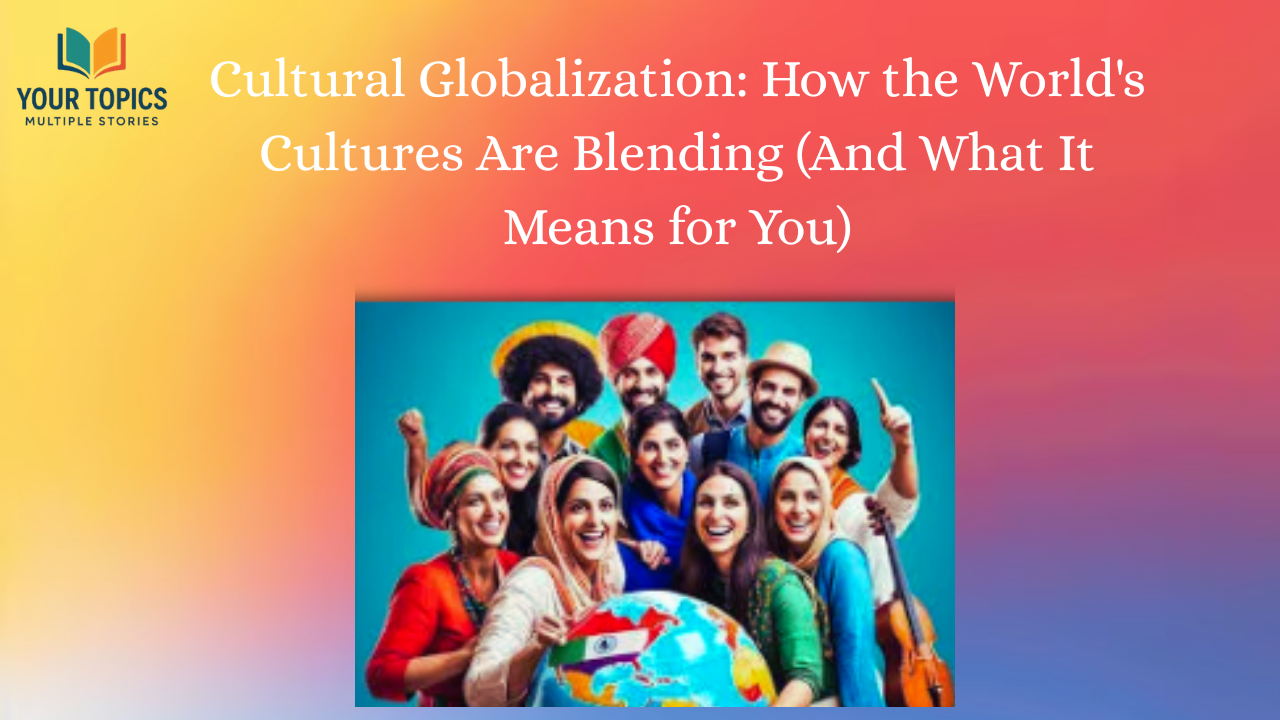
Cultural globalization is reshaping everything from the food you eat to the music you stream, creating a world where Korean pop dominates Western charts and small-town cafes serve Vietnamese pho alongside Italian espresso. If you’ve ever wondered why your teenager speaks in British slang from YouTube creators, or why your local grocery store stocks more international products than ever before, you’re witnessing the most profound cultural shift in human history.
But here’s the challenge: while we’re more connected than ever, many people feel confused about what this means for their own identity, traditions, and communities. You’re not alone if you’re asking whether globalization erases cultural uniqueness or enriches it.
This guide cuts through the confusion to give you a clear understanding of how cultural exchange works in our interconnected world, what global culture effects mean for your daily life, and how to navigate this new landscape while preserving what matters most to you.
What Is Cultural Globalization? Breaking Down the Basics
At its core, cultural globalization refers to the transmission of ideas, meanings, and values across national borders. This process creates shared experiences and collective consciousness that transcend geographic boundaries.
Think about your morning routine. You might drink Colombian coffee while checking Japanese anime recommendations on an American platform, wearing Swedish fast fashion, and listening to a playlist mixing Afrobeat, reggaeton, and K-pop. That’s cultural globalization in action.
The process happens through multiple channels:
- Digital connectivity spreads ideas instantly across continents through social media, streaming platforms, and online communities
- International trade brings products, services, and brands from every corner of the globe to your doorstep
- Migration patterns create multicultural neighborhoods where traditions blend and evolve
- Media consumption exposes you to stories, perspectives, and entertainment from diverse cultures
Unlike economic or political globalization, cultural exchange operates at the level of everyday life, influencing how you think, what you value, and how you express yourself.
The Real-World Impact of Globalization on Your Daily Life
Food Culture: The Delicious Side of Cultural Exchange
Walk into any major city, and you’ll find authentic Thai street food next to Mexican taquerias, Ethiopian restaurants, and Japanese ramen shops. This isn’t just variety for variety’s sake—it represents centuries of culinary tradition becoming accessible to everyone.
The global food market reached unprecedented diversity levels, with ingredients like quinoa, kimchi, and matcha becoming household staples far from their origins. Home cooks now recreate complex dishes from YouTube tutorials featuring chefs from the actual countries where these recipes originated.
But there’s a deeper story here. When you learn to cook a Moroccan tagine or master sushi rolling, you’re not just following a recipe—you’re engaging with history, technique, and cultural values that shaped these dishes over generations.
Entertainment: How Streaming Changed Cultural Boundaries
Remember when watching foreign films meant seeking out specialty theaters or waiting for dubbed versions? Today, your streaming queue probably includes Spanish-language thrillers, Korean dramas, British comedies, and French documentaries—all with one click.
This shift represents one of the most significant globalization examples in modern history. “Squid Game” became a global phenomenon despite being in Korean with subtitles. “Money Heist” from Spain dominated viewership across continents. Anime evolved from niche interest to mainstream entertainment.
The music industry shows even more dramatic change. Artists collaborate across borders without ever meeting in person, creating fusion genres that blend traditional instruments with modern production. A song can go viral in multiple countries simultaneously, regardless of language.
Fashion and Style: Global Identity Trends Take Center Stage
Fashion cycles now pull inspiration from every culture simultaneously. Japanese streetwear influences American hip-hop style. Indian prints appear in European haute couture. African patterns dominate contemporary design.
This creates interesting tensions. Young people mix cultural elements freely—wearing a Chinese qipao-inspired dress with Mexican-inspired jewelry and Scandinavian minimalist makeup. Some view this as creative expression and cultural appreciation. Others see potential appropriation that strips context from sacred or meaningful traditions.
The key difference? Whether the adoption shows respect, understanding, and proper credit, or simply treats cultural elements as aesthetic props.
Comparing Cultural Globalization: Two Sides of the Same Coin
| Positive Effects | Challenging Effects |
|---|---|
| Increased cultural awareness and empathy through exposure to diverse perspectives | Risk of cultural homogenization as dominant cultures overshadow smaller ones |
| Economic opportunities for cultural creators reaching global audiences | Exploitation of traditional knowledge without compensation or credit |
| Innovation through cross-cultural collaboration and idea exchange | Loss of indigenous languages and traditions under pressure to adopt global norms |
| Greater food security and dietary diversity worldwide | Commercialization of sacred or significant cultural practices |
| Reduced prejudice through personal connections across cultures | Superficial engagement with cultures treated as trends rather than traditions |
This comparison reveals that the impact of globalization depends largely on how it happens. Respectful exchange that empowers cultural creators differs drastically from extraction that benefits corporations while marginalizing the communities where traditions originated.
Understanding Global Culture Effects on Local Communities
The Language Landscape: English Dominance and Digital Communication
English became the de facto language of international business, science, and digital communication. This creates opportunities—someone in rural Indonesia can learn programming through English tutorials and compete for global clients. But it also creates pressure on smaller languages.
According to linguistic researchers, we lose one language roughly every two weeks. Each lost language represents unique ways of thinking, cultural knowledge, and human heritage that can never be recovered.
Yet technology also offers preservation tools. Apps teach endangered languages. Social media lets diaspora communities maintain linguistic connections. Digital archives preserve oral traditions.
Youth Culture: Growing Up Global
Today’s young people develop what researchers call “global identity”—seeing themselves as part of worldwide communities rather than just local or national ones. They find friends across continents through gaming platforms, learn dance trends from every culture through TikTok, and develop values that often prioritize global issues like climate change over traditional national concerns.
This shift challenges older generations who built identity around more localized experiences. Parents wonder how to pass down family traditions when their children seem more interested in global youth culture.
The solution isn’t choosing between local and global—it’s finding ways to honor both. Families who successfully navigate this balance create spaces where traditional practices coexist with global engagement.
How to Navigate Cultural Globalization in Your Own Life
Before adopting elements from other cultures, ask yourself:
- Do I understand the significance of this practice, symbol, or tradition?
- Am I supporting creators and communities from this culture?
- Would members of this culture feel respected by how I’m engaging with their traditions?
For preserving your own cultural heritage:
- Document family traditions through photos, videos, and written stories
- Teach younger generations the “why” behind practices, not just the “how”
- Create connections with others who share your cultural background
- Adapt traditions to modern contexts rather than abandoning them entirely
To benefit from cultural exchange while avoiding harm:
- Seek authentic sources when learning about other cultures
- Pay for cultural products and experiences when possible
- Acknowledge origins when sharing cultural elements with others
- Listen when members of a culture express concerns about appropriation
This balanced approach lets you participate in global culture while maintaining ethical standards and genuine respect.
Frequently Asked Questions About Cultural Globalization
What is the main cause of cultural globalization?
Technological advancement, particularly the internet and social media, serves as the primary driver. However, international trade agreements, increased migration, and global media companies also accelerate cultural exchange significantly.
Is cultural globalization good or bad?
Neither inherently. The effects depend on implementation. When cultural exchange happens with respect, proper attribution, and fair compensation, it enriches everyone involved. When powerful entities extract cultural value without permission or credit, it causes harm.
How does cultural globalization affect identity?
Many people develop hybrid identities that blend traditional heritage with global influences. This can feel liberating or disorienting depending on personal circumstances and how much control individuals have over the process.
Can local cultures survive globalization?
Yes, but survival requires active effort. Communities that document traditions, teach younger generations, and adapt practices to modern contexts successfully maintain cultural identity while participating in global exchange.
What’s the difference between cultural globalization and Americanization?
While American culture has disproportionate global influence due to economic and media power, cultural globalization includes flows in all directions. Korean, Indian, Nigerian, and Mexican cultures also spread globally, creating multidirectional exchange rather than one-way transmission.
Moving Forward: Finding Your Place in a Globalized World
Cultural globalization isn’t slowing down—it’s accelerating.
The question isn’t whether to participate, but how to do so thoughtfully.You have power in this process. Every choice to learn deeply about another culture rather than superficially, to support authentic cultural creators, to preserve and share your own heritage—these actions shape what global culture becomes.
The most successful approach treats cultural exchange as conversation, not conquest. When we approach other cultures with genuine curiosity and respect, when we share our own traditions with pride and openness, and when we create spaces for meaningful dialogue across differences, globalization becomes a force that enriches rather than erases.
Your cultural identity doesn’t have to be either/or. You can love your grandmother’s traditional recipes while exploring world cuisines. You can honor your family’s heritage while making friends across the globe. You can celebrate what makes your culture unique while appreciating the beauty in others.
The future of cultural globalization depends on millions of individual choices made by people like you—choices about what to preserve, what to share, what to learn, and how to treat cultural treasures from every corner of our increasingly connected world.
Start today by choosing one action: document a family tradition, learn about a culture different from yours from authentic sources, or support a cultural creator from another country. These small steps collectively determine whether globalization becomes homogenization or genuine celebration of human diversity.