Finding Your Purpose: A Complete Guide to Discovering Your Life’s Direction
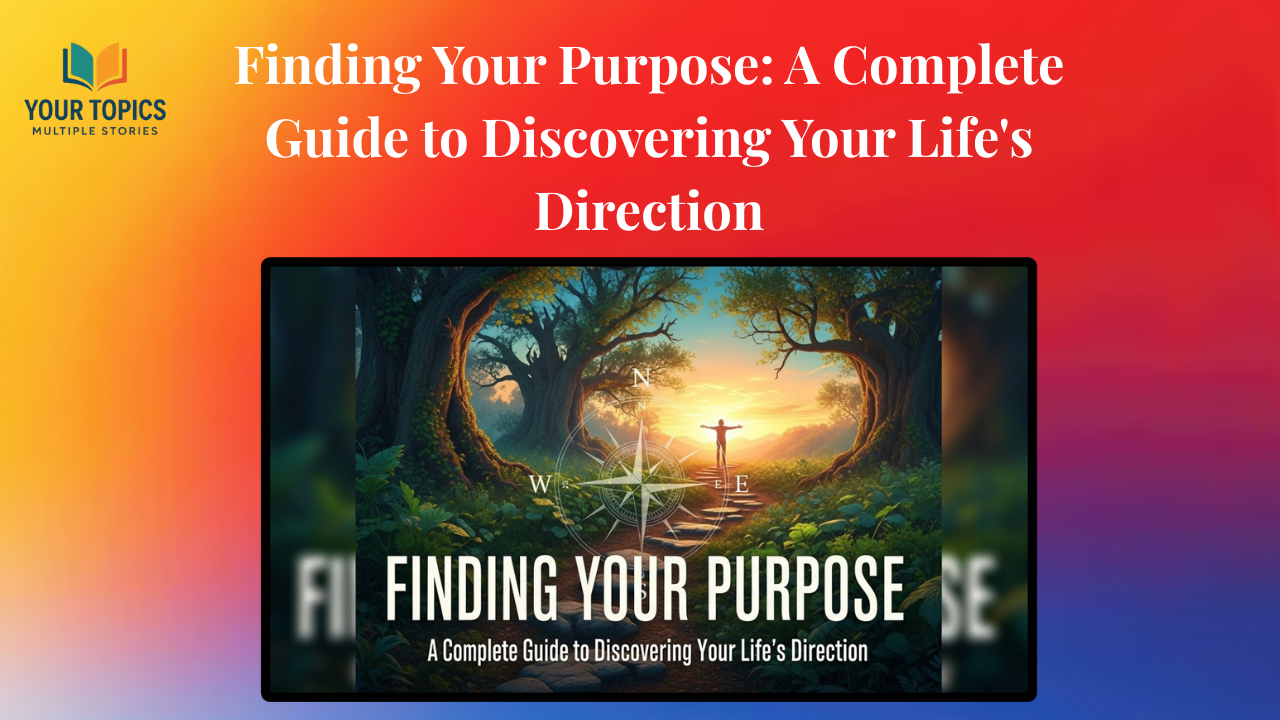
Finding your purpose isn’t something that happens overnight, and if you’re reading this, you’ve probably experienced that gnawing feeling that something’s missing—even when everything on paper looks fine. You wake up, go through the motions, accomplish tasks, but there’s this persistent question echoing in your mind: “Is this really what I’m meant to be doing?”
You’re not alone. Millions of people drift through life without a clear sense of direction, feeling disconnected from their daily activities. The good news? Discovering your purpose is a journey anyone can embark on with the right approach and mindset.
Understanding What Purpose Really Means
Before we dive into the how, let’s clear up what we’re actually talking about. Your life purpose isn’t necessarily some grand cosmic mission that requires you to change the world. It’s simpler and more personal than that.
Purpose is the intersection of what you love doing, what you’re naturally good at, what the world needs, and what can sustain you. It’s the reason you get excited to start your day and the driving force behind your most meaningful decisions.
Many people confuse purpose with career, but your professional life is just one expression of a deeper calling. Your purpose might show up in how you raise your children, the creative projects you pursue on weekends, or the way you show up for your community.
Why Finding Direction Matters More Than Ever
In today’s world, we’re bombarded with endless options and opportunities. This paradox of choice leaves many feeling paralyzed rather than empowered. Without a clear sense of personal mission development, you might find yourself:
- Jumping from job to job without feeling fulfilled
- Saying yes to everything and burning out quickly
- Comparing yourself constantly to others on social media
- Feeling like you’re living someone else’s version of success
- Experiencing Sunday night dread before every work week
The absence of purpose doesn’t just affect your happiness—it impacts your health, relationships, and overall life satisfaction. Studies have shown that people with a strong sense of purpose live longer, experience less stress, and report higher levels of well-being.
The Self Discovery Steps That Actually Work
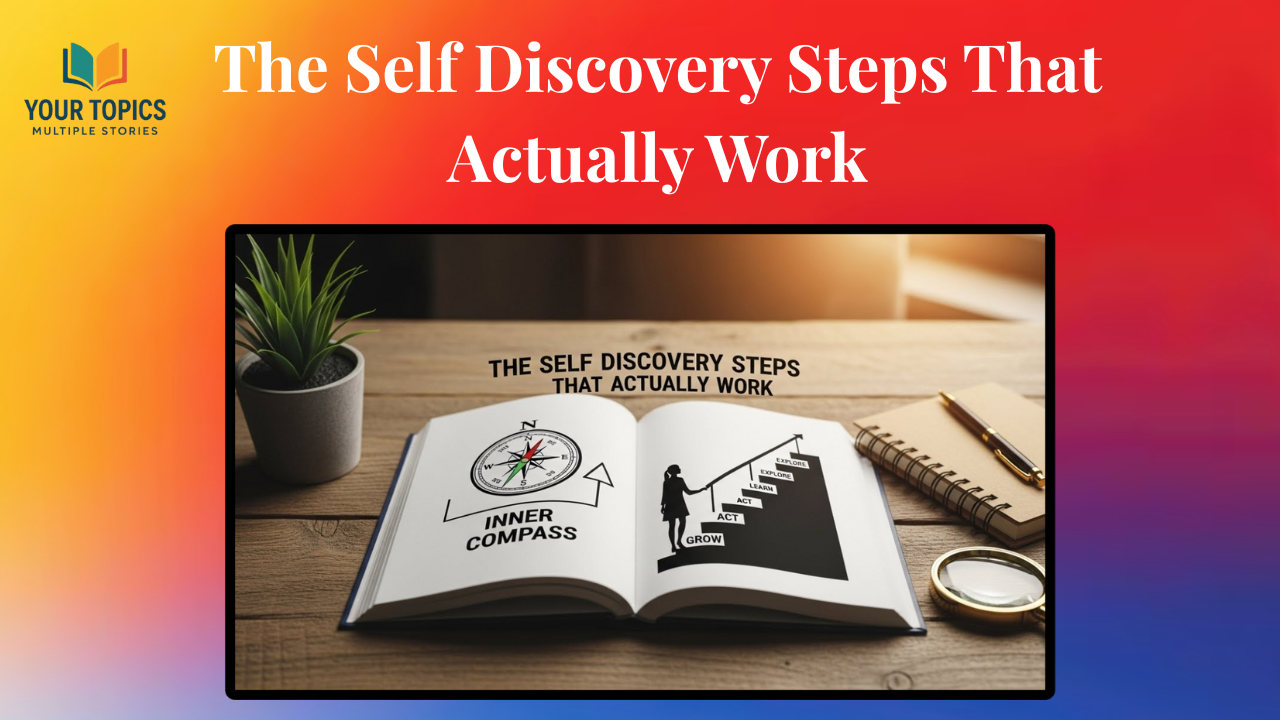
Start With Brutal Honesty About Your Current State
You can’t navigate to a destination without knowing your starting point. Take a hard look at your life right now. What’s working? What’s draining your energy? What activities make time disappear?
Grab a journal and write freely for twenty minutes about your typical week. Don’t edit yourself—just let the truth spill onto the page. This exercise often reveals patterns you’ve been too busy to notice.
Identify Your Core Values
Your values are the compass that guides every decision. When your daily life aligns with these deep-seated beliefs, you feel energized and authentic. When there’s misalignment, everything feels off.
Here’s a practical exercise: List ten moments in your life when you felt most alive and fulfilled. What was happening? Who were you with? What values were being honored in those moments?
Common core values include:
- Creativity and self-expression
- Connection and community
- Growth and learning
- Freedom and autonomy
- Service and contribution
- Security and stability
- Adventure and novelty
You might resonate with three to five primary values. These become your decision-making filter for everything from career choices to how you spend your weekends.
Explore Your Natural Strengths and Talents
Inner clarity often comes when you stop trying to fix your weaknesses and start amplifying your strengths. What comes easily to you that others struggle with? What do people consistently ask for your help with?
Your purpose usually lives at the intersection of your natural abilities and the world’s needs. Maybe you’re an exceptional listener who helps friends process their problems, or you have a knack for explaining complex topics in simple terms, or you can walk into any room and make people feel comfortable.
These aren’t random skills—they’re clues pointing toward your unique contribution.
Life Purpose Tips From People Who Found Their Way
Real stories provide the best roadmap. Consider Sarah, a corporate lawyer who felt empty despite her six-figure salary. Through self discovery steps, she realized her core values centered around creativity and direct impact. She didn’t quit her job immediately—instead, she started volunteering at a legal aid clinic on weekends. That experience led her to eventually transition into nonprofit law, where she now feels aligned with her personal mission development.
Or take Marcus, who spent fifteen years in marketing feeling disconnected from his work. His breakthrough came when he noticed he felt most energized teaching junior colleagues. He started a side project creating educational content for aspiring marketers. Two years later, that side project became his full-time business.
The pattern? Both found their direction not through a lightning-bolt revelation, but through experimentation, reflection, and small pivots toward what felt right.
How to Find Direction When You Feel Completely Lost

Feeling stuck is actually a valuable signal. It means you’re aware enough to recognize the misalignment—and awareness is the first step toward change.
Try the “Hell Yes or No” approach. For one week, notice your emotional response to every request, invitation, or opportunity. If it’s not a “hell yes,” it’s a no. This simple filter helps you understand what genuinely excites you versus what you’re doing out of obligation or habit.
Conduct a time audit. Track how you spend every hour for three days. Then highlight activities in three colors: green for energizing, yellow for neutral, red for draining. Your purpose likely hides in the green zones.
Interview your future self. Close your eyes and imagine yourself ten years from now, living your ideal life. What does your day look like? What work are you doing? What impact are you making? Write a letter from that future self to your current self, offering advice and encouragement.
Finding Your Purpose vs. Finding Your Passion: What’s the Difference?
| Finding Your Purpose | Finding Your Passion |
| Focuses on contribution and impact | Focuses on personal enjoyment |
| Often involves serving others | Primarily self-directed |
| Provides sustained motivation through challenges | May fade when difficulties arise |
| Connects to your deeper values | Based on interests and excitement |
| Guides major life decisions | Influences hobbies and activities |
You can have multiple passions throughout your life, but your core purpose typically remains more constant. Your passions might be how you express that purpose—different vehicles for the same underlying mission.
Overcoming the Biggest Obstacles to Clarity
The Comparison Trap
Social media makes everyone else’s purpose look obvious and Instagram-worthy. Remember that you’re comparing your messy internal experience to everyone else’s curated highlight reel. Your journey won’t look like anyone else’s—and that’s exactly as it should be.
The Perfection Paralysis
You don’t need to have it all figured out before taking action. Purpose reveals itself through doing, not thinking. Start with small experiments. Take that class. Have that conversation. Try that project. Each step provides data that helps you course-correct.
The Fear of Getting It Wrong
Here’s a liberating truth: your purpose can evolve. The person you are at twenty-five has different capacities and perspectives than the person you’ll be at forty-five. Your purpose grows with you. There’s no final destination where you “arrive”—it’s an ongoing process of alignment and refinement.
Practical Inner Clarity Exercises for This Week
Don’t let this article become another piece of inspiration that fades by tomorrow. Take action with these concrete steps:
Monday: Write down three activities that make you lose track of time. What’s the common thread?
Wednesday: Reach out to someone whose life seems purpose-driven. Ask them how they found their direction.
Friday: Spend thirty minutes in silence—no phone, no distractions. Let your mind wander. What keeps coming up?
Sunday: Review your week. What moments felt most meaningful? What drained you? Adjust accordingly for next week.
FAQs About Finding Your Purpose
How long does it take to find your purpose?
There’s no universal timeline. Some people experience clarity after a few months of focused exploration, while others gradually discover their purpose over several years. The key is consistent action and reflection rather than waiting for a sudden revelation.
Can your purpose change over time?
Absolutely. Your core values might remain stable, but how you express your purpose can shift based on your life stage, experiences, and changing circumstances. This evolution is natural and healthy.
What if I have multiple interests and can’t choose just one?
You don’t have to. Many people have a “portfolio purpose” that weaves together multiple interests. Look for the underlying theme that connects your diverse passions—that’s where your true purpose often lives.
Do I need to quit my job to live my purpose?
Not necessarily. Many people find ways to infuse purpose into their current roles or pursue meaningful activities outside of work. Dramatic life overhauls aren’t always required—sometimes small shifts create significant alignment.
Is it selfish to focus on finding my purpose?
Quite the opposite. When you’re aligned with your purpose, you show up as your best self for others. You have more energy, creativity, and presence to offer the world. Self-knowledge is the foundation of genuine contribution.
Your Next Steps on the Journey
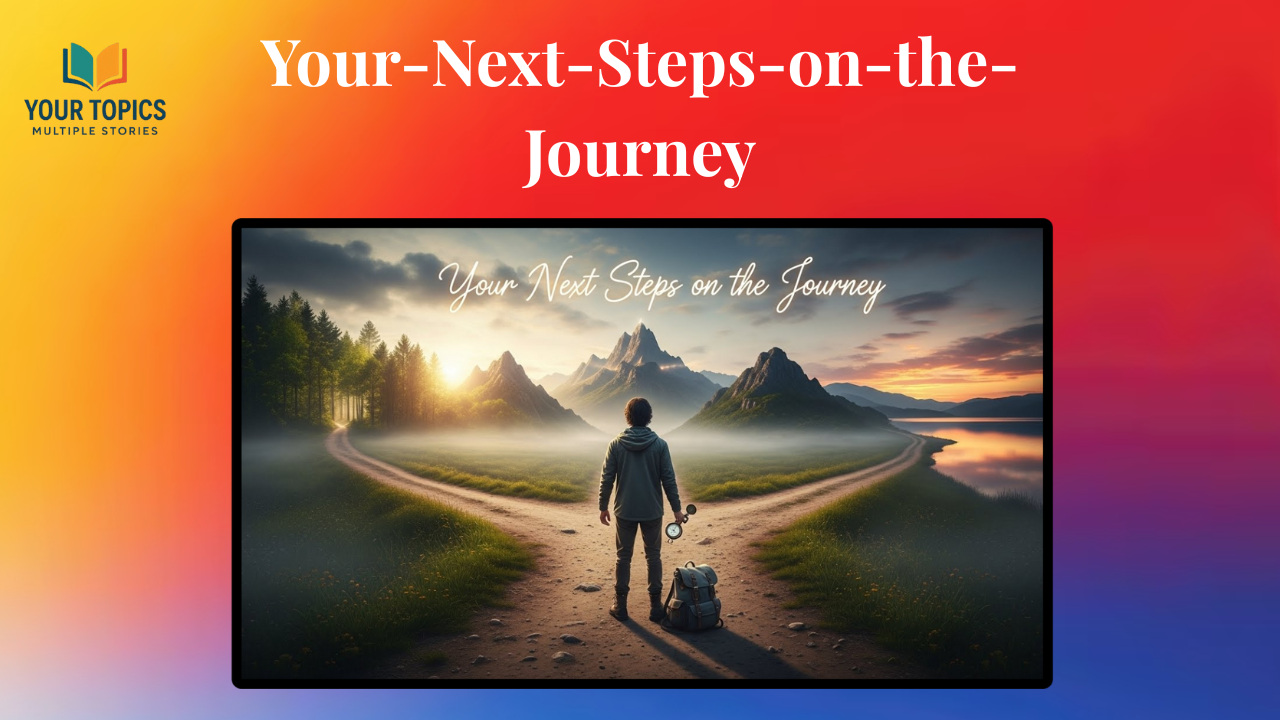
Finding your purpose isn’t about reaching a destination—it’s about embarking on the most important journey of your life. It requires courage to question the default path, patience to explore different directions, and trust in your inner wisdom.
Start small. Take one action this week that moves you toward greater alignment. Notice what feels right in your body, not just what sounds good in your head. Your purpose is already within you, waiting to be uncovered through attention and action.
The world needs what you uniquely have to offer. Your combination of experiences, talents, values, and perspectives is completely original. When you step into your purpose, you’re not just transforming your own life—you’re contributing something irreplaceable to everyone around you.
The question isn’t whether you have a purpose. You do. The only question is whether you’re willing to do the work to discover it and the courage to live it. Based on the fact that you’ve read this far, I’d say you already have your answer.