
Healthy Lifestyle Habits: Your Complete Guide to Sustainable Wellness

Healthy lifestyle habits aren’t just about hitting the gym or eating salad—they’re the small, consistent choices that compound over time to create the vibrant, energetic life you’ve been craving.
If you’ve ever felt exhausted by 2 PM, struggled to sleep through the night, or wondered why you can’t seem to shake that sluggish feeling, you’re not alone. The good news? Transforming your health doesn’t require a complete life overhaul or expensive programs.
Let me share something I’ve learned after years of watching people struggle with wellness: most of us know what we should do, but we don’t know how to make it stick.
We download the fitness app, buy the organic groceries, and promise ourselves “this time will be different.” Then life happens, motivation fades, and we’re back where we started.
The secret isn’t willpower—it’s building the right daily health routines that work with your life, not against it.
Why Most People Fail at Building Healthy Habits
Before we dive into what works, let’s address what doesn’t. The fitness industry sells us transformation stories and 30-day challenges, creating unrealistic expectations. When you try to change everything overnight—wake up at 5 AM, meal prep for the week, exercise daily, meditate, and drink eight glasses of water—you’re setting yourself up for burnout.
Your brain resists drastic change. It’s wired for efficiency, not transformation. When you suddenly demand it to manage a dozen new behaviors, it rebels. This is why New Year’s resolutions have a 91% failure rate by February.
The solution? Start small and stack intentionally.
The Foundation: Sleep Improvement Tips That Actually Work
Everything starts with sleep. You can’t out-exercise or out-diet poor sleep. When you’re running on six hours or less, your body produces more ghrelin (the hunger hormone) and less leptin (the satiety hormone). This hormonal imbalance makes you crave sugar and carbs while sabotaging your willpower.
Here’s what matters more than expensive mattresses or blackout curtains:
Consistency beats duration. Going to bed at 10 PM one night and 2 AM the next confuses your circadian rhythm. Your body craves predictability. Set a non-negotiable bedtime and stick to it within a 30-minute window, even on weekends.
The 90-minute rule. Sleep happens in cycles of roughly 90 minutes. Waking up mid-cycle leaves you groggy. If you need to be up at 6 AM, work backward in 90-minute increments: 12:30 AM, 11 PM, 9:30 PM. Aim for five complete cycles (7.5 hours) rather than a random eight-hour target.
Temperature matters more than you think. Your core body temperature needs to drop by 2-3 degrees to trigger sleep. Keep your bedroom between 65-68°F. If that’s not possible, take a hot shower 90 minutes before bed—the subsequent cool-down mimics the natural temperature drop.
The 3-2-1 method: Three hours before bed, finish eating. Two hours before bed, finish working. One hour before bed, finish screen time. This gives your body time to digest, your mind time to decompress, and your melatonin production time to ramp up without blue light interference.
Nutrition Basics: Stop Counting, Start Noticing
Forget calorie counting and macro tracking unless you’re training for competition. For most people, these approaches create anxiety around food and aren’t sustainable long-term.
Instead, focus on these principles that build a balanced lifestyle:
The Plate Method
Divide your plate into thirds. One-third protein (palm-sized portion), one-third complex carbohydrates (fist-sized), one-third vegetables (the more colorful, the better). Add a thumb-sized portion of healthy fats. This visual approach removes the need for measuring and makes restaurant eating simple.
Protein Priority
Most people don’t eat enough protein, especially at breakfast. Protein stabilizes blood sugar, keeps you full longer, and supports muscle maintenance. Aim for 25-30 grams at each meal. That’s three eggs, a cup of Greek yogurt, or a palm-sized piece of chicken.
Hydration Without Obsession
You don’t need to force down eight glasses of water if you’re not thirsty. Your body is smarter than arbitrary rules. Drink when you’re thirsty, and increase intake if your urine is darker than pale yellow. Start your day with 16 ounces of water before coffee—this rehydrates you after sleep and jumpstarts your metabolism.
The 80/20 Approach
Eat nutrient-dense whole foods 80% of the time. The remaining 20% is for flexibility, social events, and foods you genuinely enjoy.
This prevents the restrict-binge cycle that derails most diets. When you eat pizza on Friday night, you’re not “cheating”—you’re living within your sustainable framework.
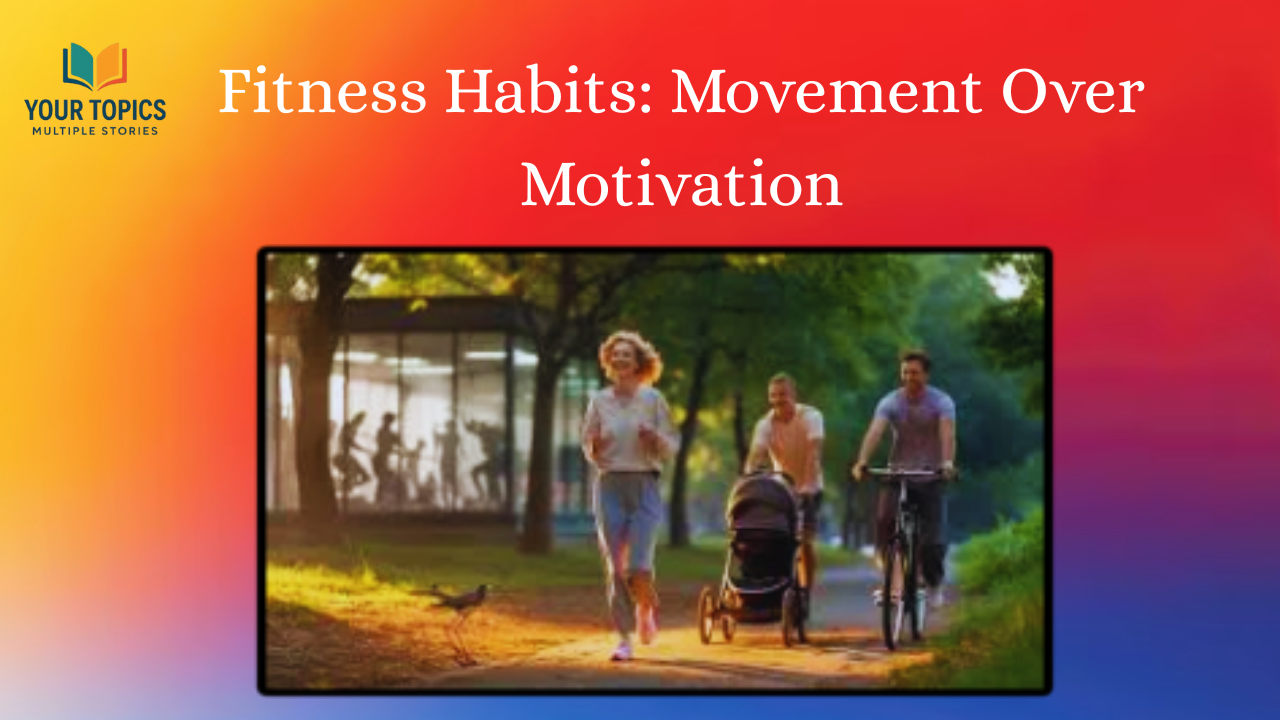
Fitness Habits: Movement Over Motivation
Exercise shouldn’t feel like punishment for eating. It’s celebration of what your body can do and investment in longevity.
Start Stupidly Small
Want to build an exercise habit? Start with two minutes. Yes, two minutes. Do ten squats when you wake up. Walk around the block. Do push-ups during commercial breaks. The goal isn’t fitness—it’s showing up. Once the habit is established, duration naturally increases.
The Daily Non-Negotiable
Find one movement pattern you can do every single day, regardless of circumstances. For many, it’s walking. Ten thousand steps isn’t magic, but daily walking reduces all-cause mortality, improves mood, aids digestion, and requires zero equipment.
Strength Training Simplified
You don’t need a gym membership or complicated programs. Master these six movements: squat, hinge (deadlift pattern), push, pull, carry, and core stability. Bodyweight versions work perfectly. Three times per week for 20 minutes beats sporadic hour-long sessions.
Recovery Is Training
Your body doesn’t improve during workouts—it improves during recovery. Schedule rest days like you schedule training. Include activities like walking, stretching, or yoga that promote blood flow without stress.
Daily Health Routines: Building Your Personal Framework
The most effective routine is one you’ll actually follow. Here’s a framework you can customize:
Morning anchors set the tone for your day. Pick two non-negotiable habits: hydration and movement are excellent choices. Make your bed—it’s a small win that creates momentum.
Midday resets combat the afternoon slump. A five-minute walk after lunch improves digestion and energy more than coffee. If you work at a desk, stand up every 30 minutes.
Evening wind-down rituals signal to your body that work is done. Dim lights, put away devices, and do something analog—read, journal, or have actual conversations. This transition prevents your mind from racing when you finally lie down.
Comparing Approaches: What Works Best?
| Approach | Sustainability | Results Timeline | Best For |
| Extreme diets & programs | Low | Fast but temporary | Short-term goals |
| Moderate habit stacking | High | Gradual and lasting | Long-term wellness |
| Intuitive eating/movement | Medium | Variable | Those with healthy relationships with food |
The data is clear: slow, consistent changes outperform dramatic overhauls. A study tracking 3,000 people over five years found that those who made 2-3 small changes every quarter had better outcomes than those who attempted complete transformations.
Real-World Application: The 30-Day Starter Plan
Don’t try everything at once. Here’s a progressive approach:
Week 1: Establish consistent sleep schedule and drink water upon waking.
Week 2: Add protein to breakfast and take a 10-minute walk daily.
Week 3: Implement the plate method at meals and add strength training twice weekly.
Week 4: Create evening routine and increase walking to 15 minutes.
Each week builds on the previous foundation. By day 30, you have eight new habits that required minimal willpower because they integrated gradually.
Frequently Asked Questions
How long does it take to form a healthy habit?
The popular “21 days” myth needs to die. Research from University College London shows the average is 66 days, but it ranges from 18 to 254 days depending on the habit complexity and the individual. Focus on consistency, not arbitrary timelines.
What if I miss a day?
Missing once is a data point. Missing twice is the beginning of a pattern. Never miss twice in a row. If you skip your morning walk, do an evening walk. The habit chain stays intact.
Should I track my habits?
For the first 90 days, yes. Use a simple calendar with checkmarks. Seeing your streak builds momentum. After habits become automatic, tracking becomes optional.
How do I stay motivated when results are slow?
Shift from outcome goals (lose 20 pounds) to process goals (eat protein at breakfast daily). Process goals are within your control and provide daily wins. The outcomes follow inevitably.
Can I build multiple habits simultaneously?
Yes, but use habit stacking. Attach new behaviors to existing routines. “After I pour my coffee, I’ll drink 16 ounces of water.” “After I brush my teeth, I’ll do ten squats.” The existing habit becomes the trigger for the new one.
The Truth About Sustainable Change
Here’s what nobody tells you: building healthy lifestyle habits isn’t about discipline or motivation. It’s about designing an environment where the right choices become the easy choices.
Put your workout clothes next to your bed. Prep vegetables on Sunday so they’re grab-and-go. Delete social media from your phone so evening scrolling isn’t an option. Remove friction from good habits and add friction to bad ones.
The person you want to become isn’t someone with superhuman willpower—it’s someone who built systems that work. Your daily health routines should feel inevitable, not aspirational.
Start with one habit this week. Just one. Make it so small it feels almost silly. Then watch how that single thread begins to weave through your entire life, pulling everything else into alignment.
That’s how transformation actually happens—not in dramatic moments, but in unremarkable Tuesday mornings when you show up anyway.
Your health isn’t something you’ll achieve someday with enough effort. It’s something you build, one small decision at a time, starting right now.