
How To Develop Profitable Gold Trading Strategy Using Detailed XAUUSD Chart

Lately, gold has become the most popular asset to trade, even more than famous stocks like Apple or Tesla. When the world gets a little “shaky”—especially from big news about wars or problems between countries—investors get nervous. As a result, they sell their other investments, buy gold, and trade it against the US dollar on a XAUUSD chart.
The price of gold has been moving a lot since many people are doing this right now. For traders, it creates huge opportunities to make a profit if they know how to read the signs.
Here is a simple, four-step guide to building your own gold trading strategy for consistent profits with minimal risks.
Step 1: Determine the Trend
Before you enter a buy or sell position, you have to know which way the price is moving. Assets like gold usually move in large trends that can last for weeks or months. Knowing where the market is heading increases your chances of profiting, as you only have to follow the trend.
To check the market trend for the day, open your XAUUSD chart and look at the “Daily” view or “D1” timeframe. See where the price is moving from. For instance, if the price is moving from the bottom left to the top right, you have an uptrend, and you should look for buy opportunities. If the move from left to right starts from a high point to a lower point, then it is moving down, so you should look for a sell.
Simply looking at a naked chart may be confusing, especially for new traders. If you want some help, you can choose a trend-following tool, like the moving average, from the 30 built-in indicators on MetaTrader 4. Besides beginners, many professionals use the 200-day moving average line for determining trends. If the price moves above this line, then gold has a strong momentum.
Step 2: Monitor Financial News

When people are scared about the world’s economy or the US dollar’s stability, they run to buy gold.
Gold will always have a connection to the US dollar. Usually, when the US dollar gets stronger, gold gets cheaper. On the other hand, gold prices usually zoom up when the dollar gets weaker.
The bank interest rates also reflect the state of gold in the markets. To illustrate, if banks start paying more interest on savings, people might sell their gold to put more money in the bank. However, if interest rates are low, gold usually becomes more popular.
Finally, check the economic news calendar, especially the “red folder news” stories. Every month, the US releases a report called “Non-Farm Payrolls” (NFP). This report shows the employment statistics.
Gold becomes extremely volatile on such days, with outrageous price spikes to both ends of the chart in minutes. These are the most dangerous periods to be active, and many professionals avoid placing orders then.
Step 3: Find the “Support” and “Resistance” Zones
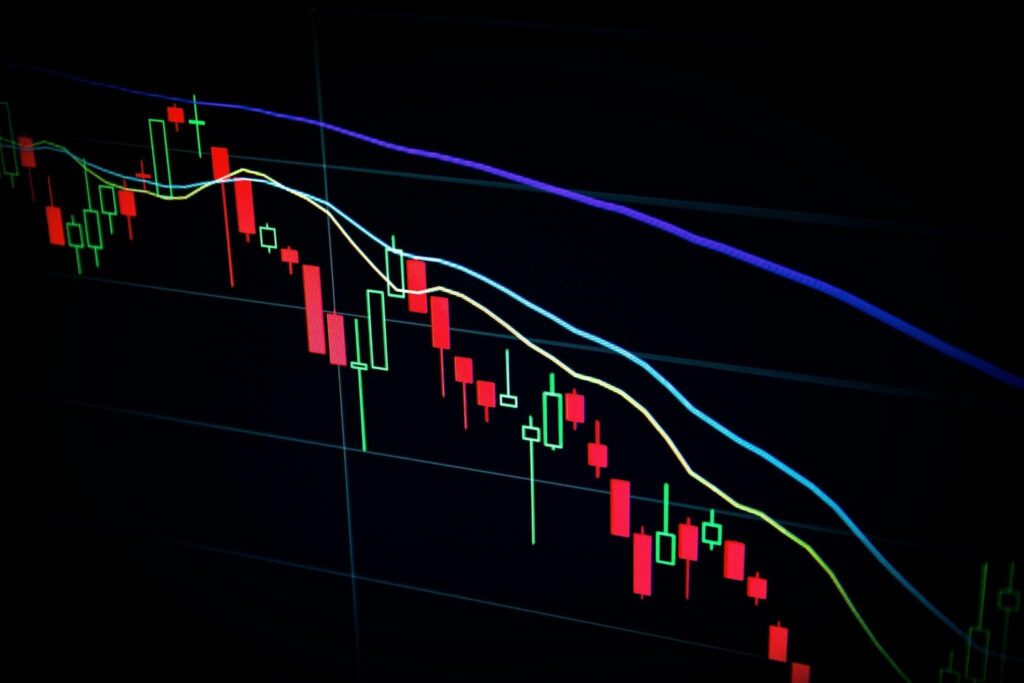
Prices hardly ever move in a straight line; they often bounce in a zigzag pattern. This feature is what many trading strategies are based on, as price habitually revisits areas it bounces from. So, you need to find the spots on the chart where the price has bounced before and target them for a possible future entry.
In gold trading, the price likes to deflect off these areas:
- Support (The Trough): These are price levels in the market’s history where gold has stopped falling and started going back up. Think of support as a concrete floor. If gold drops to this price again, it will very likely bounce.
- Resistance (The Peak): These price levels are the opposite of the support, where gold has stopped rising and started falling. It’s like the price hits a ceiling and can’t get through.
- Strategy Tip: A great time to trade is when the roof breaks and becomes a new floor. This shows the buyers are now in total control. Likewise, you might take advantage of the market’s habitual bounce off these zones to enter short-term positions.
Remember, support and resistance aren’t a thin, straight line on the chart. They are zones that can expand or widen, depending on the market conditions.
Step 4: Set Your Safety Net

Many professional investors and traders would argue that risk management is the most important part of trading. Aim to earn consistent, reasonable amounts rather than targeting outrageous profits at once. You should never “go full margin” on one trade.
Even the best analysts are wrong sometimes, so ensure the following safety parameters:
- Set a Stop Loss: This is a “safety exit” you set on your XAUUSD chart to cap your losses. If the price goes the wrong way, the computer will automatically close your trade so you only lose a tiny bit of money.
- Apply the 1% Rule: Cap your risk per trade at 1% of your total capital. So, if you have $100, you will only lose $1 if things go wrong.
- Take Profits: Pick a goal price where you will be happy to take your winnings. When the price reaches that point, exit your positions.
Read More: https://yourtopicsmultiplestoriess.com/geometry-learn-v3/
All Comes Together
To be a successful gold trader, you have to act like a detective and a researcher. Check your XAUUSD chart for the trend while monitoring the news, then find the best places for entry and exit safely.
If you follow these steps every time, you will be using a professional system (not guesswork) to grow your money. While the chart narrates the past, your discipline determines if you will have a future in trading.